
Current Flood Situation in Pakistan and India 2025
The monsoon floods in Pakistan and India 2025 have caused massive destruction across villages, cities, and farmlands. Millions of people are displaced, rivers have overflowed, and infrastructure is under severe pressure. These recurring floods highlight the urgent need for climate change adaptation and stronger flood management systems in South Asia.
Current Flood Situation in Pakistan and India 2025 Punjab (Pakistan)
Current Flood Situation in Pakistan and India 2025 Punjab (Pakistan)
Flood Situation in Pakistan 2025
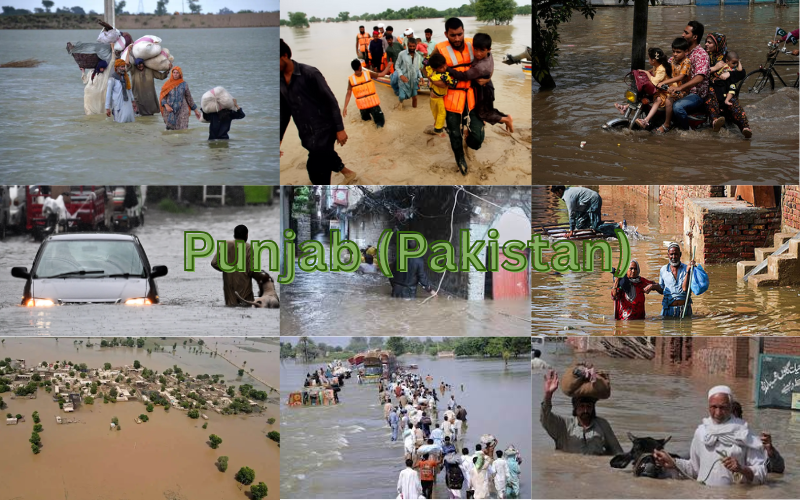
Pakistan is among the most flood-affected countries this year. Provinces like Punjab, Sindh, and Khyber Pakhtunkhwa are under water, with rivers such as the Ravi, Chenab, and Sutlej crossing danger levels.
-
Over 2 million people displaced in Punjab.
-
Cloudbursts in Khyber Pakhtunkhwa triggered deadly flash floods and landslides.
-
In Sindh, more than 100,000 residents have been evacuated as the Indus River continues to rise.
The Pakistan flood 2025 disaster shows how fragile the country’s infrastructure remains when faced with climate-driven monsoon extremes.
Current Flood Situation in Pakistan and India 2025 Punjab (india) (1)
Current Flood Situation in Pakistan and India 2025 Punjab (india) (1)
Current Flood Situation in Pakistan and India 2025 Punjab (india)
Flood Situation in India 2025
India is facing similar destruction from this year’s monsoon.
-
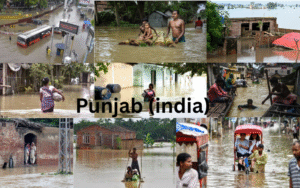
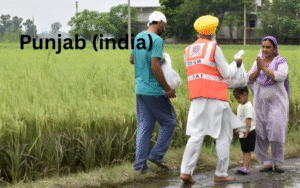
In Punjab (India), nearly 1,400 villages have been submerged.
-
In Jammu & Kashmir, a sudden cloudburst in Kishtwar caused flash floods, killing dozens.
-
Uttarakhand floods 2025 led to the formation of a temporary lake after extreme rainfall.
-
States like Maharashtra, Gujarat, and Uttar Pradesh also reported deaths, destroyed houses, and damaged farmland.
Rescue teams including NDRF and the Indian Army are conducting large-scale evacuations and relief efforts.
Why Are Pakistan and India Facing Severe Floods in 2025?
Several key factors are responsible for the South Asia flood crisis 2025:
1. Climate Change & Glacier Melting
Glaciers in the Himalayas and northern Pakistan are melting rapidly, releasing excessive water into rivers.
2. Heavy Monsoon Rains & Cloudbursts
Extreme and unpredictable rainfall events are becoming more common due to global warming.
3. Dam Water Releases
Overloaded reservoirs in India often release water downstream, worsening floods in both countries.
4. Urbanization & Deforestation
Building on floodplains and cutting down forests has reduced the natural water absorption capacity of land.
5. Poor Infrastructure & Sedimentation
Aging dams, silted reservoirs, and weak embankments cannot handle extreme water levels.
Government Response to Floods in Pakistan and India
Pakistan’s Actions
-
Army and NDMA conducting large-scale evacuations.
-
Government working with World Food Programme (WFP) and Green Climate Fund to build early warning systems.
-
Emergency shelters and medical camps set up in Sindh and Punjab.
India’s Actions
-
NDRF, ITBP, and Indian Army deployed for rescue operations.
-
Repair of embankments and highways damaged by floods.
-
Plans to manage dam sedimentation and restore storage capacity.
-
Long-term measures like afforestation and stricter urban planning being discussed.
Future Plans to Prevent Flood Destruction
To reduce future flood disasters in Pakistan and India, both governments need to:
-
Invest in Early Warning Systems for real-time alerts.
-
Reinforce Dams and Embankments with modern engineering.
-
Restore Forests and Wetlands to act as natural flood buffers.
-
Stop Illegal Construction in flood-prone zones.
-
Enhance Regional Cooperation on river management and water-sharing treaties.
Conclusion
The Pakistan floods 2025 and India floods 2025 highlight a shared crisis. Climate change, poor planning, and weak infrastructure have turned annual monsoon rains into national disasters. Both governments must shift focus from short-term rescue to long-term resilience. Only through better planning, technology, and cooperation can South Asia reduce the destruction caused by floods in the coming years.