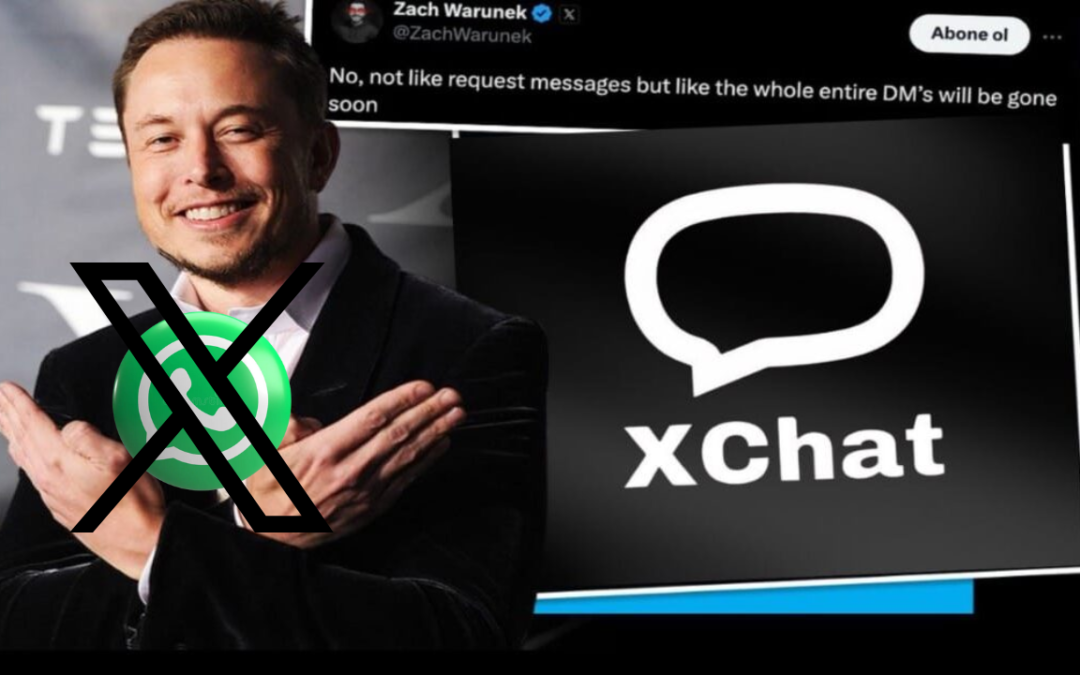
Elon Musk’s new app, XChat, has been launched as a secure messaging feature under the X platform (formerly Twitter). XChat is designed to transform X into an all-in-one communication app, competing with WhatsApp, Telegram, and Signal. With encrypted chats, disappearing messages, and audio/video calls, XChat aims to redefine private messaging on social media.
When Was XChat Launched & User Numbers
Elon Musk’s XChat messaging feature began rolling out in late May and early June 2025, when X (formerly Twitter) started offering the new messaging system to a limited group of users, primarily X Premium subscribers, for beta testing. Musk officially announced on June 1–2, 2025 that XChat with features like end-to-end encryption, vanishing messages, file sharing, and audio/video calling was launching to users “this week,” with broader rollout expected in the following months. Kampala Edge Times+1
While X (the parent platform) already had a large user base before the launch — with an estimated ~650 million users globally as of 2025 — specific public figures for how many users accessed XChat on its first day have not been officially published by X Corp. or Elon Musk. SEO.ai What’s clear from industry commentary is that XChat’s adoption is tied to X’s overall user base, and many users began trying the feature as it expanded out of beta over the months following the initial launch. Techpoint Africa
In other words, although exact first-day and current active user numbers for XChat alone are not released by the company, the potential audience is very large given X’s hundreds-of-millions user base — and usage is growing as more people upgrade to the newer encrypted chat features available across the platform.
What Is XChat?
XChat is an advanced messaging system built into X that upgrades traditional direct messages into a secure, feature-rich chat platform.
Key Highlights of XChat
End-to-end encrypted messaging
Disappearing messages
Audio & video calling
File and media sharing
No phone number required
Cross-platform access (Web, iOS, Android)
How Does XChat Work?
XChat operates inside your X account and uses a new encrypted backend system developed in Rust. Users can choose encrypted chats and protect conversations with a PIN-based security layer.
How Messaging Works
Login to your X account
Open the XChat tab
Select a contact
Enable encryption (optional but recommended)
Start chatting securely
Messages are encrypted so only the sender and receiver can read them.
How to Use XChat – Step-by-Step Guide
Step 1: Create or Login to X Account
You must have an active X account.
Step 2: Access XChat
Mobile App: Update X app
Desktop: Use X web version
Step 3: Set Up Security PIN
Required for encrypted chats.
Step 4: Start Chatting
Send messages, files, or start audio/video calls.
XChat Features Explained
Encrypted Messaging
XChat offers optional end-to-end encryption to protect conversations from third-party access.
Disappearing Messages
Users can set messages to auto-delete after a specific time.
Audio & Video Calls
Secure calls without sharing your phone number.
File Sharing
Send documents, images, videos, and other files safely.
Cross-Platform Support
Works on web, iOS, and Android (rolling out gradually).
In How Many Countries Will XChat Work?
XChat is expected to work globally wherever X is available. There are no official country restrictions, though feature rollouts may vary by region.
Supported worldwide including:
USA
UK
Europe
Asia
Middle East
Africa
Requirements to Use XChat
To use XChat, you need:
Active X account
Internet connection
Updated X app or web access
Security PIN for encrypted chats
Optional: X Premium subscription for early features
XChat Data & Privacy Policy Explained
What Data Is Collected?
Account details
Metadata (time, recipient info)
Encrypted message content (not readable by X)
Is XChat Really Private?
Messages are encrypted
Metadata may still be stored
Encryption system is not fully open-source yet
Is XChat Safe or Not?
Safe For
Daily communication
Business discussions
Media sharing
Secure calls
Use With Caution
Highly sensitive data
Legal or confidential communication
Users concerned about metadata tracking
Verdict: XChat is safer than traditional DMs but not yet as proven as Signal.
XChat vs WhatsApp vs Telegram
Feature
XChat
WhatsApp
Telegram
Encryption
Yes
Yes
Partial
Phone Number
No
Yes
Optional
Disappearing Messages
Yes
Yes
Yes
Video Calls
Yes
Yes
Yes
Open Source
No
Partial
Partial
Frequently Asked Questions (FAQs)
Is XChat a separate app?
No, it is integrated into X, with a possible standalone version later.
Is XChat free to use?
Yes, basic features are free. Some features may require X Premium.
Do I need a phone number?
No phone number is required.
Can I use XChat for business?
Yes, it can be used for professional communication.
Is Elon Musk’s New App XChat better than WhatsApp?
It offers unique features but still needs more transparency.
Is XChat available on Android?
Android rollout is in progress.
Pros and Cons of XChat
Pros
No phone number needed
Modern encryption
Integrated with X ecosystem
Free basic usage
Cons
Encryption not fully audited
Metadata tracking
Still in early stages
Final Verdict: Should You Use XChat?
XChat is a powerful new messaging solution by Elon Musk that moves X closer to becoming a true everything app. While it offers strong features and improved privacy, users should remain cautious until encryption standards are fully verified.
Ideal for users who want secure messaging without phone numbers Not recommended yet for ultra-sensitive communication
Just a few years ago, artificial intelligence felt like a futuristic concept reserved for tech companies and sci-fi movies. Today, generative AI has become part of our everyday lives in the US, UK, and across the world — quietly transforming how we work, learn, shop, communicate, and even think.
From AI-powered content creation to smart assistants and automated design tools, generative AI is no longer a luxury. It has become a daily companion, influencing decisions, improving efficiency, and opening doors to new opportunities for individuals and businesses alike.
In this blog, we explore how generative AI is reshaping everyday life, why it’s trending globally, and what it means for the future.
What Is Generative AI?
Generative AI refers to advanced models — like ChatGPT, Midjourney, DALL·E, and others — that can create new content such as:
Text
Images
Videos
Code
Designs
Music
3D models
Unlike traditional AI that only analyses data, generative AI produces original output, making it both powerful and disruptive.
How Generative AI Is Being Used in Daily Life
1. AI in Communication
Millions of people in the US and UK use AI every day to:
Write emails
Draft social media posts
Fix grammar
Improve professional communication
Tools like ChatGPT and Grammarly have become essential for students, workers, and entrepreneurs.
2. AI-Powered Creativity
Generative AI has made creativity accessible to everyone:
Artists use AI to design concept art
Businesses create logos without a designer
Content creators generate thumbnails, scripts, or reels
Writers overcome writer’s block with AI prompts
This has democratized creativity like never before.
3. AI in Education & Learning
Students and professionals rely on AI for:
Homework help
Research summaries
Concept explanations
Language learning
AI tutoring is now more personalized, faster, and 24/7.
4. AI in Business & Marketing
Generative AI has completely changed digital marketing in 2025–26:
Automated SEO content
Social media management
Google Ads optimization
Web design assistance
Customer support chatbots
Businesses in the US & UK are saving thousands of dollars monthly using AI tools.
5. AI in Daily Planning & Personal Life
Generative AI helps with:
Meal planning
Workout routines
Travel itineraries
Shopping recommendations
Home budgeting
The convenience is unmatched — and people love it.
Individuals and companies save money on design, writing, editing, marketing, and development.
Accessible to Everyone
Most popular AI tools are either free or extremely affordable.
Continuous Innovation
AI companies release new updates almost every week, which keeps the excitement alive.
The Future of Generative AI
As AI continues evolving, expect even more integration in daily routines:
Fully AI-designed websites
Personal AI assistants that handle life decisions
AI-driven customer service replacing call centers
Hyper-personalized ads, content, products
AI automation for small businesses
Generative AI is not just a trend — it is the future of human productivity.
Final Thoughts
The rise of generative AI is one of the most significant technological shifts of our era. Whether you’re a student, a small business owner, or a professional, embracing AI tools can dramatically improve your efficiency and creativity.
If you want to prepare your business for the AI-powered future — with modern websites, SEO, content writing, Google Ads, or digital marketing — Jollondon.com can help you stay ahead.
The latest update of YouTube 2025 introduces a strict monetization policy starting July 15, targeting mass-produced, repetitive, and low-effort videos. Creators must now focus on original, high-quality content to remain eligible for the YouTube Partner Program. This update aims to enhance viewer experience and protect advertiser trust by limiting revenue for channels using AI-generated or templated content without meaningful value.
1. What’s Changing?
YouTube will begin strict enforcement to weed out “mass‑produced,” repetitive, and low‑effort content—categories that never technically qualified for monetization under the YouTube Partner Program (YPP), but have often slipped through due to lax enforcement Reddit+14Tubefilter+14Exchange4media+14.
The policy has taken shape in new guidelines that help better detect and demonetize such content .
2. 🧩 Who Is Affected?
Channels that mass-upload templated videos, automated slideshows, or AI‑generated scripts without meaningful transformation.
Content must be significantly altered if using borrowed footage or audio. Simple cropping, filters, or speed changes no longer cut it The Economic Times+1Gulf News+1.
To improve overall content quality and protect advertiser trust amid a surge of low-value, AI-generated uploadsGulf News+1Exchange4media+1.
To tackle the boom of Shorts spam: faceless, repetitive clips driving bulk views with no value Tubefilter.
6. 🛠️ Advice for Creators
Do a channel audit before July 15—identify and update any templated, repetitive, or AI-generated videos.
Revamp older content with fresh commentary, meaningful context, or creative editing.
Use AI tools thoughtfully—ensure you’re adding a layer of human insight, not just auto-generating.
Stay informed by following YouTube’s official support page and creator updates, and monitor feedback after enforcement begins.
🔚 Final Thoughts
YouTube’s July 15 update isn’t introducing new rules—it’s enforcing existing standards with stricter tech and reviews. If you’re already producing original, insightful content, this shouldn’t pose a problem. But creators leaning heavily on mass uploads, automated or AI-driven content, or minimal editing should take notice—now is the time to pivot toward more authentic storytelling or value-driven content.
Want help reworking your channel strategy or identifying risky videos? I’d be happy to help!